Showing 37–48 of 96 resultsSorted by latest
Sanitaryware refers to ceramic bathroom fixtures designed for hygiene, convenience, and comfort. This includes toilets, wash basins, urinals, bidets, cisterns, and various accessories that ensure clean and functional bathroom environments.
What Is Sanitaryware?
Sanitaryware is a category of bathroom ceramic products manufactured using high-quality clay, silica, and other earth minerals. These products are fired at high temperatures to create smooth, non-porous, glossy surfaces that are easy to clean and highly resistant to stains and bacteria. Sanitaryware plays a crucial role in residential, commercial, and industrial washrooms.
historical points for sanitaryware
The concepts of sanitation, hygiene, and the basic components of sanitary ware date back to the earliest human civilizations, though the modern fixtures we recognize today evolved much later.
Here are the key historical starting points for sanitary concepts:
-
Ancient Civilizations (c. 4000 – 1500 BCE): The earliest evidence of sophisticated sanitation systems can be found here.
-
Indus Valley Civilization (Mohenjo-Daro, Harappa): This civilization (in modern-day India and Pakistan) is credited with having one of the world’s first urban sanitation systems, with individual homes connected to covered street drains and dedicated bathing rooms and latrines.
-
Mesopotamia: Clay sewer pipes and brick-constructed latrines date back to around 4000-3200 BCE.
-
Minoan Crete: Archaeologists have found evidence of early toilets with seats over channels of flowing water, which could be considered the oldest flushing toilets (c. 2000-1700 BCE).
-
Roman/Greek Period: The Greeks and especially the Romans developed extensive public and private bathhouses, aqueducts for water supply, and large-scale sewer systems (like the Cloaca Maxima in Rome).
-
Modern Sanitary Ware (16th – 19th Centuries): The transition to the modern ceramic fixtures we call “sanitary ware” began with key inventions:
-
1596: Sir John Harrington invented the first working flushing toilet with a cistern, though it was not widely adopted at the time.
-
18th Century: Inventions like the S-trap (by Alexander Cumming in 1775) were crucial, as they used a water seal to prevent sewer gases from entering the home, making indoor plumbing truly hygienic.
-
19th Century: The Industrial Revolution led to mass production, improved ceramic materials (like vitreous china), and the widespread installation of indoor plumbing in cities, which drove the development and standardization of ceramic toilets, basins, and bathtubs as essential, affordable household items.
In essence, while the need for sanitation started in ancient times, the concept of Sanitary Ware as a mass-produced, ceramic fixture for a dedicated, hygienic bathroom room started to solidify around the late 18th and 19th centuries.
Importance of High-Quality Sanitaryware
- Ensures proper hygiene and cleanliness
- Boosts bathroom aesthetics and value
- Enhances user comfort and convenience
- Reduces water consumption
- Offers long-term durability with minimal maintenance
- Prevents bacterial growth due to non-porous surfaces
Types of Sanitaryware
1. Toilets
-
- One-Piece Toilets
- Two-Piece Toilets
- Wall-Hung Toilets
- Smart Toilets
2. Wash Basins
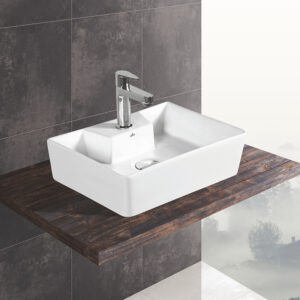
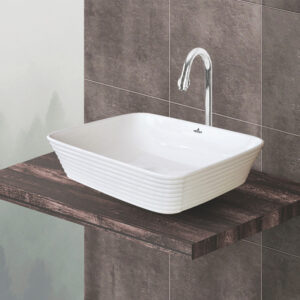
- Counter Top Basins
- Wall Hung Basins
- Pedestal Basins
- Half Pedestal Basins
- Under Counter Basins
- Table Top Basins
- Designer Basins
3. Urinals
- Sensor Urinals
- Stall Urinals
- Bottle Trap Urinals
- Waterless Urinals
4. Cisterns
- Concealed Cisterns
- Dual Flush Cisterns
- Single Flush Cisterns
5. Bidets
6. Bath Accessories
Key Features of High-Quality Sanitaryware
- High-Gloss Finish: Adds shine and improves stain resistance.
- Scratch & Chip Resistant: Ensures long-lasting performance.
- Anti-Bacterial Coating: Prevents germ buildup.
- Heat & Chemical Resistant: Maintains quality over time.
- Low Water Consumption: Eco-friendly flushing systems.
- Easy to Install: Compatible with modern plumbing systems.
- Ergonomic Design: Provides user comfort and convenience.
Advantages of Using Premium Sanitaryware
- Enhances bathroom aesthetics
- Offers long-term cost savings
- Maintains hygiene with minimal cleaning
- Resistant to rust, corrosion, and discoloration
- Available in multiple styles, shapes, and sizes
- Suitable for homes, hotels, offices, malls, and institutions
Style Options in Sanitaryware
Modern Minimalist
Clean lines, compact shapes, wall-hung options, and neutral colors for a neat and contemporary look.
Luxury Designer
Premium finishes, geometric designs, artistic basins, and soft-touch features for high-end bathrooms.
Classic / Traditional
Curved shapes, pedestal basins, and elegant designs suited for vintage or traditional décor.
Industrial Style
Matte finishes, monochrome color schemes, and simple rectangular designs.
Space-Saving / Compact
Slim basins, wall-mounted toilets, and corner installations ideal for small bathrooms.
Applications of Sanitaryware
- Homes & apartments
- Hotels and resorts
- Corporate offices
- Shopping malls
- Hospitals and clinics
- Railways, airports, and public washrooms
- Schools and universities
How to Choose the Right Sanitaryware
- Check bathroom size and layout
- Select suitable types (wall-hung, pedestal, countertop)
- Look for water-saving features (dual flush, low-flow)
- Consider durability and brand reputation
- Ensure warranty and service availability
- Match colors and designs to bathroom décor
Why Choose Premium Brand Sanitaryware?
- Superior material quality
- Advanced flushing systems
- Hygienic, anti-bacterial surface
- Expert craftsmanship
- Wide variety of styles
- Guaranteed value for money
FAQs
Q1: What is sanitaryware used for?
Sanitaryware is used for maintaining bathroom hygiene, including toilets, basins, urinals, and accessories.
Q2: Which material is best for sanitaryware?
High-grade ceramic (vitreous china) is the best due to its strength, non-porous surface, and longevity.
Q3: How do I maintain sanitaryware?
Use mild cleaners, avoid harsh chemicals, and clean regularly to keep surfaces shiny.
Q4: Are wall-hung toilets durable?
Yes, when installed correctly, wall-hung WCs offer excellent durability and support.
Q5: What is the price range of sanitaryware?
Prices vary depending on type, size, design, and brand—from economical to luxury ranges.

 Out of stock